
Area Development
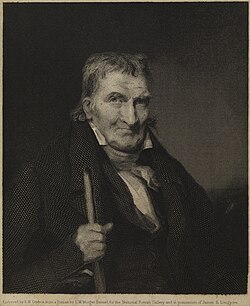
The county takes its name from Simon Kenton, a longhunter, scout, and frontier guide whose movements through northern Kentucky reflect the region’s early role as a contested borderland rather than a settled interior. While Kenton himself did not establish towns or serve as a civil leader, his name symbolizes the era of exploration, conflict, and migration that preceded formal settlement.
Kenton County developed under pressures that were different from much of Kentucky. Proximity to Cincinnati made the county part of a regional economy tied to river trade, manufacturing, and wage labor earlier than many interior counties, while its southern and eastern areas remained largely agricultural well into the nineteenth century. This divide shaped settlement patterns, land ownership, and family mobility: some residents remained on small farms for generations, while others moved frequently between townships, river towns, and neighboring counties in search of work.
Immigration, particularly from Germany and Ireland, added to an already mobile population and contributed to the growth of towns, churches, and fraternal organizations. For researchers, Kenton County records reflect this complexity—urban and rural lives documented side by side, with frequent boundary crossings, name variants, and overlapping jurisdictions that mirror the county’s role as a hinge between Kentucky and the industrial Ohio Valley.
Read more about early Kenton County history.
County Seat
Kenton County’s seat at Independence reflects the county’s early rural and administrative priorities rather than its later population center. Chosen for its inland location and relative distance from river commerce, Independence served as a stable courthouse town for a county whose early governance needed separation from the commercial and political influence of the Ohio River. As the nineteenth century progressed, however, population growth and economic activity shifted northward, and Covington emerged as the county’s dominant urban center.
This unusual arrangement—an inland county seat paired with a larger river city—shaped how Kenton County functioned administratively and how its records were created, stored, and duplicated. For researchers, this division explains why court, marriage, and probate records may reference multiple recording locations and why county business often straddled both rural and urban spheres.
Note: See the area maps here for better understanding of Kenton County's geography.