|

Civil
War
Love
Letter
July
14,
1861
Camp
Clark,
Washington
My
very
dear
Sarah:
The
indications
are
very
strong
that
we
shall
move
in
a
few
daysperhaps
tomorrow.
Lest
I
should
not
be
able
to
write
again,
I
feel
impelled
to
write
a
few
lines
that
may
fall
under
your
eye
when
I
shall
be
no
more
.
.
.
I
have
no
misgivings
about,
or
lack
of
confidence
in
the
cause
in
which
I
am
engaged,
and
my
courage
does
not
halt
or
falter.
I
know
how
strongly
American
Civilization
now
leans
on
the
triumph
of
the
Government
and
how
great
a
debt
we
owe
to
those
who
went
before
us
through
the
blood
and
sufferings
of
the
Revolution.
And
I
am
willingperfectly
willingto
lay
down
all
my
joys
in
this
life,
to
help
maintain
this
Government,
and
to
pay
that
debt
.
.
.
Sarah
my
love
for
you
is
deathless,
it
seems
to
bind
me
with
mighty
cables
that
nothing
but
Omnipotence
could
break;
and
yet
my
love
of
Country
comes
over
me
like
a
strong
wind
and
bears
me
unresistibly
on
with
all
these
chains
to
the
battle
field.
The
memories
of
the
blissful
moments
I
have
spent
with
you
come
creeping
over
me,
and
I
feel
most
gratified
to
God
and
to
you
that
I
have
enjoyed
them
for
so
long.
And
hard
it
is
for
me
to
give
them
up
and
burn
to
ashes
the
hopes
of
future
years,
when,
God
willing,
we
might
still
have
lived
and
loved
together,
and
seen
our
sons
grown
up
to
honorable
manhood,
around
us.
I
have,
I
know,
but
few
and
small
claims
upon
Divine
Providence,
but
something
whispers
to
meperhaps
it
is
the
wafted
prayer
of
my
little
Edgar,
that
I
shall
return
to
my
loved
ones
unharmed.
If
I
do
not
my
dear
Sarah,
never
forget
how
much
I
love
you,
and
when
my
last
breath
escapes
me
on
the
battle
field,
it
will
whisper
your
name.
Forgive
my
many
faults
and
the
many
pains
I
have
caused
you.
How
thoughtless
and
foolish
I
have
often
times
been!
How
gladly
would
I
wash
out
with
my
tears
every
little
spot
upon
your
happiness
.
.
.
But,
O
Sarah!
If
the
dead
can
come
back
to
this
earth
and
flit
unseen
around
those
they
loved,
I
shall
always
be
near
you;
in
the
gladdest
days
and
in
the
darkest
nights
.
.
.
always,
always,
and
if
there
be
a
soft
breeze
upon
your
cheek,
it
shall
be
my
breath,
as
the
cool
air
fans
your
throbbing
temple,
it
shall
be
my
spirit
passing
by.
Sarah
do
not
mourn
me
dead;
think
I
am
gone
and
wait
for
thee,
for
we
shall
meet
again
.
.
.
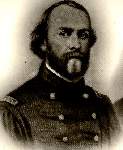
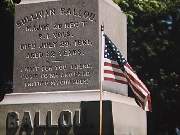
Sullivan
Ballou
was
killed
a
week
later
at
the
first
Battle
of
Bull
Run,
July
21,
1861.
Born
March
28,
1829
in
Smithfield,
R.I.,
Ballou
was
educated
at
Phillips
Academy
in
Andover,
Mass.;
Brown
University
in
Providence,
R.I.
and
the
National
Law
School
in
Ballston,
N.Y.
He
was
admitted
to
the
Rhode
Island
Bar
in
1853.
Ballou
devoted
his
brief
life
to
public
service.
He
was
elected
in
1854
as
clerk
of
the
Rhode
Island
House
of
Representatives,
later
serving
as
its
speaker.
He
married
Sarah
Hart
Shumway
on
October
15,
1855,
and
the
following
year
saw
the
birth
of
their
first
child,
Edgar.
A
second
son,
William,
was
born
in
1859.
Ballou
immediately
entered
the
military
in
1861
after
the
war
broke
out.
He
became
judge
advocate
of
the
Rhode
Island
militia
and
was
32
at
the
time
of
his
death
at
the
first
Battle
of
Bull
Run
on
July
21,
1861.
When
he
died,
his
wife
was
24.
She
later
moved
to
New
Jersey
to
live
out
her
life
with
her
son,
William,
and
never
re-married.
She
died
at
age
80
in
1917.
Sullivan
and
Sarah
Ballou
are
buried
next
to
each
other
at
Swan
Point
Cemetery
in
Providence,
RI.
There
are
no
known
living
descendants.
Ironically,
Sullivan
Ballous
letter
was
never
mailed.
Although
Sarah
would
receive
other,
decidedly
more
upbeat
letters,
dated
after
the
now-famous
letter
from
the
battlefield,
the
letter
in
question
would
be
found
among
Sullivan
Ballous
effects
when
Gov.
William
Sprague
of
Rhode
Island
traveled
to
Virginia
to
retrieve
the
remains
of
his
states
sons
who
had
fallen
in
battle.


|


